
The Power of Play: How Play-Based Learning Benefits Preschool-Age Children

Play is an essential part of childhood, and when it comes to preschool-age children, it takes on an even more profound role. The concept of play-based learning has transformed early childhood education by making the learning process fun, engaging, and highly effective. At institutions like Sristi Kids, this innovative approach empowers young learners to develop critical skills while enjoying their natural curiosity and imagination.

What Is Play-Based Learning?

Play-based learning is an educational approach that uses play as a medium to teach essential skills and concepts. Rather than focusing on rote memorization or rigid academic instruction, children are encouraged to explore, experiment, and interact with their environment. Whether it’s building blocks, role-playing, or solving puzzles, play-based activities foster a dynamic learning experience that caters to the developmental needs of preschoolers.

The Benefits of Play-Based Learning for Preschoolers

  1. Cognitive Development
    Play helps preschool-age children develop essential cognitive skills like problem-solving, critical thinking, and memory. Activities like matching games, sorting objects, or building structures with blocks stimulate their brains and enhance reasoning abilities. At Sristi Kids, thoughtfully curated play activities ensure that children develop their cognitive faculties while enjoying every moment.
  2. Social and Emotional Growth
    Engaging in group play allows children to interact, share, and collaborate with their peers. These experiences nurture emotional intelligence, empathy, and communication skills. Role-playing games, for instance, help children understand social dynamics and express their feelings in a safe environment, which is integral to their emotional growth.
  3. Enhancing Language Skills
    Through storytelling, songs, and interactive games, play-based learning boosts language development in young children. As they participate in discussions or imaginative play, they expand their vocabulary, improve sentence structure, and learn the nuances of verbal communication.
  4. Promoting Creativity and Imagination
    Preschool-age children naturally possess vivid imaginations, and play-based learning taps into this creative potential. Activities like drawing, pretend play, and constructing models encourage them to think outside the box and explore new ideas. At Sristi Kids, creativity is woven into every aspect of the learning process to ensure children thrive artistically and intellectually.
  5. Physical Development
    Play-based learning includes physical activities like running, climbing, or crafting, which promote gross and fine motor skills. These activities help preschoolers build strength, coordination, and dexterity, contributing to their overall physical well-being.

Why Play-Based Learning Works

Children are inherently curious, and play offers them a natural way to explore the world around them. When learning is embedded in enjoyable activities, it enhances engagement and retention. Unlike traditional methods, play-based learning aligns with the developmental stages of preschoolers, making education more effective and less stressful.

At Sristi Kids, the environment is designed to support this philosophy. Classrooms are vibrant, stimulating spaces filled with resources that inspire exploration and learning. From storytelling corners to hands-on science experiments, every element encourages children to learn through play.

Examples of Play-Based Learning Activities

Here are some examples of how play-based learning is implemented in preschools like Sristi Kids:

  • Role-Playing and Pretend Play: Children dress up as doctors, shopkeepers, or astronauts, allowing them to explore real-world scenarios in imaginative ways.
  • Art and Craft Projects: Activities like finger painting, collage making, or clay modeling unleash creativity while improving fine motor skills.
  • Outdoor Play: Games like hopscotch, treasure hunts, and obstacle courses promote physical fitness and teamwork.
  • Educational Toys and Games: Puzzles, building blocks, and memory games help develop cognitive skills while keeping the learning process fun.
  • Music and Movement: Dancing, singing, and playing musical instruments foster coordination, rhythm, and auditory skills.

The Role of Educators in Play-Based Learning

Educators play a pivotal role in creating a nurturing and enriching environment for play-based learning. At Sristi Kids, teachers act as facilitators, guiding children through their activities without imposing rigid instructions. This approach allows children to explore at their own pace and build confidence in their abilities.

Long-Term Benefits of Play-Based Learning

The advantages of play-based learning extend far beyond preschool. Children who engage in this method develop a strong foundation for lifelong learning. They grow into confident, creative, and socially adept individuals with a love for learning that persists into adulthood.

Play-Based Learning at Sristi Kids

Sristi Kids exemplifies the power of play-based learning. By offering a supportive, engaging, and child-centric environment, the school ensures that every child gets the opportunity to grow holistically. The curriculum is designed to balance play with structured activities, fostering academic readiness and essential life skills.

Moreover, Sristi Kids emphasizes the importance of parental involvement. Workshops and events keep parents informed about the play-based approach, helping them reinforce these practices at home.

Final Thoughts

The early years of a child’s life are crucial for shaping their future, and play-based learning is a powerful tool to ensure they thrive during this formative phase. By focusing on joy, curiosity, and creativity, it lays the groundwork for a lifetime of learning and success.

At Sristi Kids, every activity is a step towards nurturing well-rounded, confident, and capable individuals. If you’re considering a preschool for your child, choose a place where learning feels like play—choose Sristi Kids!
School Management Software

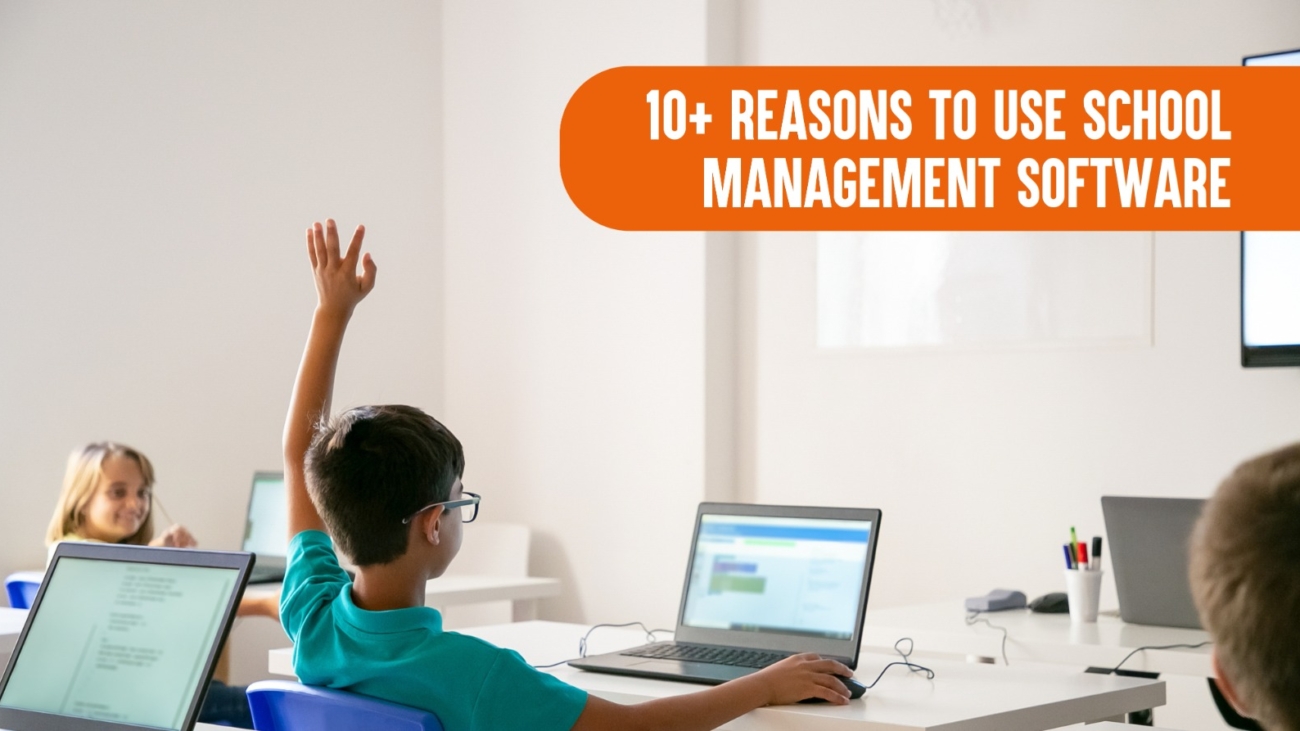
10 Reasons Every Preschool Should Use School Management Software

In today’s digital age, technology has revolutionized various industries, and education is no exception. Preschools, like Sristi Kids in Bangalore, are rapidly adopting school management software to streamline administrative tasks and enhance communication between parents, teachers, and students. Managing a preschool involves a multitude of responsibilities, from tracking attendance to communicating with parents, handling financial records, and organizing events. School management software can simplify these tasks, offering numerous benefits that make it an invaluable tool for preschools.

Why Sristi Kids should use school management software to elevate its operations and provide a seamless experience for staff, students, and parents.

Efficient Administrative Operations: Managing a preschool involves handling various tasks such as admissions, fee collection, attendance tracking, and scheduling classes. School management software automates these processes, reducing the administrative burden and allowing staff to focus on more important tasks like student development. At Sristi Kids Preschool in Bangalore, the software can organize student records, streamline admissions, and track important information like allergies, medical records, and contact details effortlessly.

Streamlined Communication with Parents: One of the biggest challenges in preschool management is maintaining clear and regular communication with parents. With school management software, Sristi Kids can ensure parents are kept in the loop about their child’s progress, upcoming events, and important announcements via emails, SMS, or mobile apps. This creates a transparent and proactive communication channel, ensuring that parents are always informed.

Real-Time Attendance Tracking: School management software allows real-time tracking of student attendance, saving time and reducing errors compared to manual processes. At Sristi Kids, teachers can record daily attendance digitally, making it easy for both parents and administrators to access attendance records. Parents receive notifications if their child is absent, and the software can generate reports to monitor regularity and punctuality, improving overall discipline.

Simplified Fee Management: Fee collection and financial management can be complex tasks for preschools. With school management software, Sristi Kids can automate fee collection, send reminders to parents, track payments, and generate receipts instantly. This eliminates manual errors and helps in managing the finances efficiently. The software can also handle late fees, discounts, and scholarships, making financial management stress-free.

Enhanced Data Security: When it comes to handling sensitive information like student records and financial data, security is paramount. School management software offers high levels of data encryption and security, ensuring that all information is stored securely. At Sristi Kids, this ensures that sensitive student information is safeguarded, giving parents peace of mind.

Teacher-Parent Collaboration: For a child’s development, teachers and parents must work together. School management software provides a platform where teachers can share reports, photos, and videos of a child’s progress. This continuous feedback loop between parents and teachers fosters a collaborative environment that supports the child’s growth. At Sristi Kids, teachers can use this feature to share progress reports, achievements, and even concerns directly with parents, encouraging active participation in the child’s learning journey.

Customized Reports and Analytics: Monitoring student performance is crucial for preschool teachers to identify areas where a child may need extra help. School management software generates detailed reports and analytics based on various performance metrics. Sristi Kids can utilize these insights to track each child’s development and make data-driven decisions to improve their learning experiences. These reports can also be shared with parents to keep them updated on their child’s progress, further promoting transparency.

Efficient Event Management: Planning and organizing events such as parent-teacher meetings, field trips, and celebrations can be overwhelming without proper management tools. School management software simplifies event management by allowing the administration to schedule events, send invitations, track RSVPs, and manage resources all in one place. Sristi Kids Preschool can ensure that no event is missed and that the coordination between parents and teachers runs smoothly.

Paperless Environment: Going green is a goal for many institutions, and adopting school management software is a step toward a paperless environment. Digital records, reports, and communications reduce the need for paper, which not only helps the environment but also makes data retrieval and management easier. At Sristi Kids, a paperless approach would streamline operations and help the preschool contribute to a more sustainable future.

Mobile Accessibility: In today’s mobile-first world, parents and staff expect easy access to information on the go. School management software typically includes mobile apps that allow parents and teachers to access important information anytime, anywhere. For Sristi Kids Preschool in Bangalore, a mobile app can be a game-changer, ensuring parents are always informed about their child’s day, even if they are away from the school premises.

Seamless Transport Management: The school offers transportation services in which school management software can streamline the process by tracking routes, monitoring bus attendance, and informing parents about the estimated arrival time of buses. This ensures safety and punctuality, providing parents with peace of mind.

Time-Saving for Teachers By automating repetitive administrative tasks, school management software frees up valuable time for teachers to focus on nurturing the children. Teachers at Sristi Kids can devote more time to planning educational activities and fostering a positive learning environment.

Conclusion: School management software is an essential tool that can transform the way Sristi Kids Preschool in Bangalore operates. From improving communication with parents to enhancing data security and streamlining administrative tasks, this technology offers numerous benefits that contribute to a more organized, efficient, and transparent preschool environment. By adopting school management software, Sristi Kids can ensure that both the staff and students thrive, creating a foundation for long-term success. In a world where efficiency and communication are key, investing in the right technology will set Sristi Kids apart from other preschools in Bangalore.

Follow Us On:

Instagram

Pre school aged children

What You Need to Know About Preschool-Aged Children’s Development

Transitioning your child from the comfort of home to a structured preschool environment can be a significant milestone. It’s a time of excitement and change, both for you and your preschool-aged children. While this transition can be challenging, it also provides an excellent opportunity to nurture your child’s creativity and independence. Here are some tips to make this transition smooth and enriching for your preschool-aged children.

1. Create a Routine

Establishing a consistent routine helps preschool-aged children feel secure and understand what to expect each day. Start by setting regular times for waking up, meals, play, and bedtime. Gradually introduce activities that mirror the preschool schedule, such as structured playtime, story sessions, and snack breaks. This familiarity with routines will ease their transition to the preschool environment.

2. Encourage Independence

Preschool is a time for children to develop independence. Encourage your child to perform simple tasks on their own, such as dressing, feeding, and cleaning up toys. Providing opportunities for independent play and decision-making boosts their confidence and prepares them for the structured setting of preschool.

3. Foster Creativity Through Play

Play is a vital part of a preschool-aged child’s development. It stimulates creativity, problem-solving, and social skills. Encourage imaginative play by providing a variety of toys, art supplies, and dress-up clothes. Engage in activities that spark creativity, such as building blocks, drawing, and role-playing games. These activities not only nurture creativity but also enhance cognitive and motor skills.

4. Introduce Educational Activities

Incorporate educational activities that align with preschool learning. Simple activities like sorting shapes, counting objects, and identifying colors can be both fun and educational. Reading together is another excellent way to prepare your child for preschool. Choose books that stimulate their imagination and encourage a love for reading.

5. Visit the Preschool Together

Familiarizing your child with their new environment can reduce anxiety. Arrange a visit to the preschool before their first day. Let your child explore the classroom, meet the teachers, and interact with future classmates. This familiarity will make the first day less intimidating and more exciting.

6. Communicate Openly

Talk to your child about what to expect at preschool. Explain the daily activities, the importance of following instructions, and making new friends. Encourage them to express their feelings and address any concerns they may have. Open communication reassures your child and helps them feel more comfortable with the transition.

7. Be Positive and Supportive

Your attitude towards preschool will significantly influence your child’s perception. Display enthusiasm and positivity about this new adventure. Celebrate small achievements and provide reassurance during moments of uncertainty. Your support and encouragement will help your child embrace preschool with confidence.

8. Stay Involved

Stay engaged with your child’s preschool experience. Attend parent-teacher meetings, volunteer for activities, and regularly communicate with the teachers. Being involved shows your child that their education is important and helps you stay informed about their progress and any areas where they might need extra support.

9. Create a Creative Space at Home

Set up a designated space at home for creative activities. Stock it with art supplies, puzzles, and educational games. Encourage your child to use this space for independent play and creative exploration. A dedicated creative space reinforces the learning and creativity fostered at preschool.

Transitioning from home to preschool is a significant step in your child’s life. By nurturing their creativity and independence, you can make this transition a positive and enriching experience. With these tips, your preschool-aged children will be well-prepared to embrace their new environment and thrive in their preschool journey.